
Budget Business! UK Rental Market Update (27 November 2025)
The Autumn Budget delivers major changes for the PRS, with higher taxes and tougher enforcement increasing pressure on landlords. Keep reading for today's key highlights in the UK rental market.

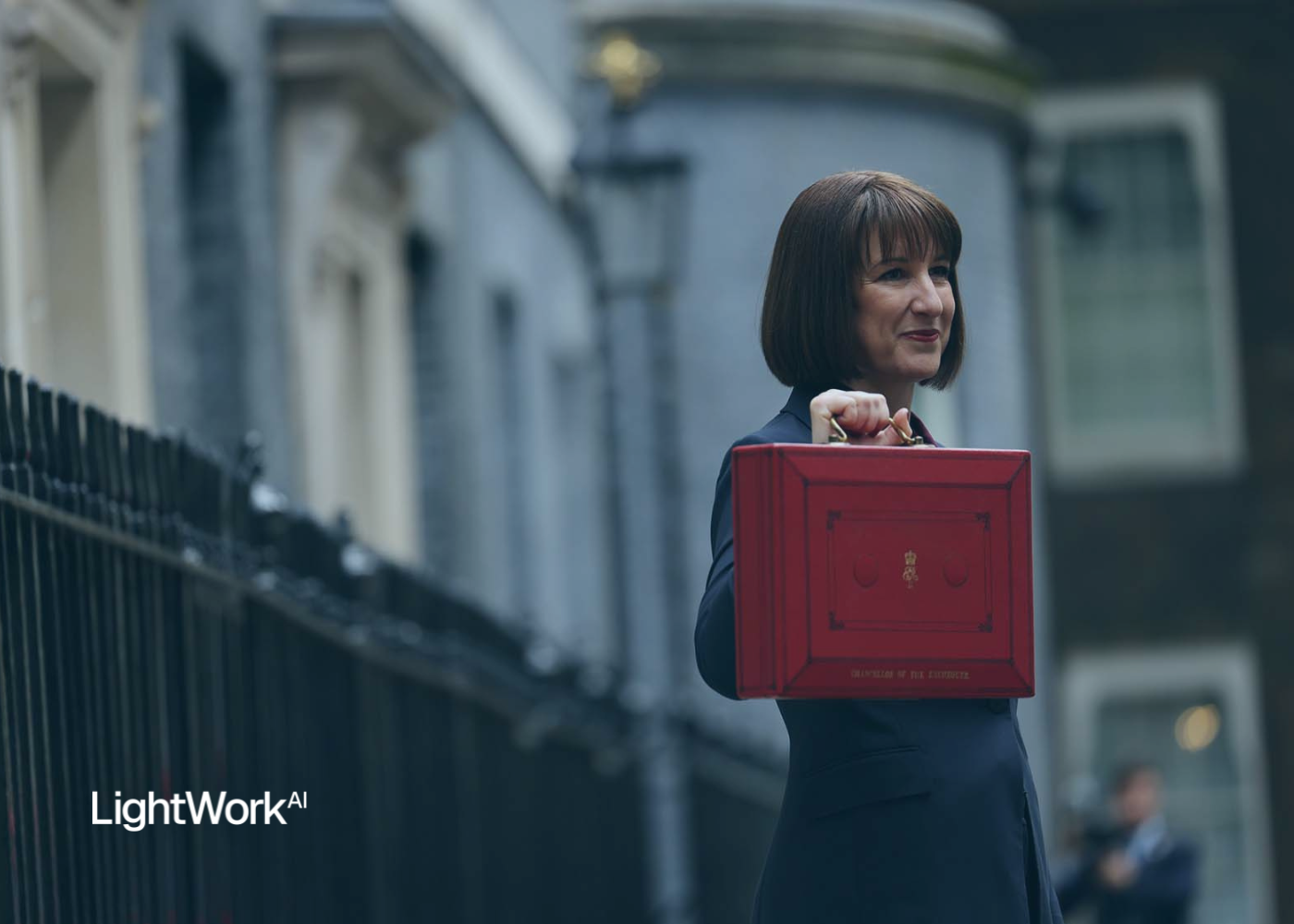
Yesterday's Budget marks a clear policy shift: higher tax on rental income, extra charges on high-value homes, and a potential tourist-tax for short-term lets. This combination, on top of the Renters' Rights Act, is likely to squeeze net yields for landlords and act as the nail in the coffin for some who are already considering exiting the market altogether. All the while, the reforms should strengthen tenant rights and improve security, but there is a real risk that higher landlord costs could be transferred onto tenants or result in a reduction in rental supply - particularly in an already squeezed market. For landlords and agents, this points to the need for more efficient operations and clear audit trails as regulation tightens and margins narrow.
The Top Headlines
1) Landlords hit with 2% property income tax rise in Autumn Budget
Chancellor Rachel Reeves has confirmed a 2% increase in tax on property income for landlords from April 2027. This takes basic, higher and additional rates to 22%, 42% and 47% respectively. The measure is expected to raise around £500m a year by 2028–29. However, analysts warn it could add further upward pressure on rents, as well as squeeze landlord margins and push some to sell up, especially alongside the Renters' Rights Act. Source
2) New ‘mansion tax’ on homes worth over £2m to start in 2028
The Budget introduces a High Value Council Tax Surcharge, widely dubbed a “mansion tax”, on English homes valued over £2m as of 2026, with annual charges between £2,500 and £7,500 from April 2028. Local reaction in high-value areas such as Richmond highlights concern that many “ordinary” family houses will be caught, potentially cooling demand at the top end and prompting some owners to downsize or relocate. Source
3) Tourist tax powers confirmed for hotels and short-term lets
Budget measures clear the way for mayors in England to levy a per-night ‘tourist tax’ on hotel stays and Airbnb-style short-term rentals. Industry bodies estimate this could add over £500m to holiday costs. They warn it may fuel inflation and harm the competitiveness of English cities, whereas the government argues it will fund local services and infrastructure. Source
4) Budget outlook: OBR flags sluggish growth but targets higher housing delivery
The Budget documents project slower real income growth and continued fiscal pressure, but set an ambition to raise annual housing stock additions to about 305,000 homes by 2029–30, up from a projected 215,000 in 2026–27. Forecasts referenced by the FT suggest average UK house prices could reach around £305,000 by 2030, albeit with significant regional variation and lingering affordability constraints. Source
5) PRS and landlord community react: ‘another squeeze’ on the sector
Early analysis aimed at landlords highlights a “triple hit” from higher property income tax, mansion tax on some portfolios and frozen thresholds that drag more income into higher bands. Advisory firms are urging landlords to model impacts on net yields, consider incorporation or restructuring, and prepare for more active enforcement under the Renters’ Rights regime, rather than assuming they can simply pass all costs to tenants. Source
Landlords & agents: The tightening environment is likely to accelerate demand for AI-driven platforms that cut admin, manage compliance and optimise portfolios. Landlords and property managers that utilise software to navigate the new tax and regulatory landscape will be well positioned to grow.
⚡ Looking to boost efficiency across your agency or portfolio? Reach out to LightWork AI — we’re here to make property management smarter.